
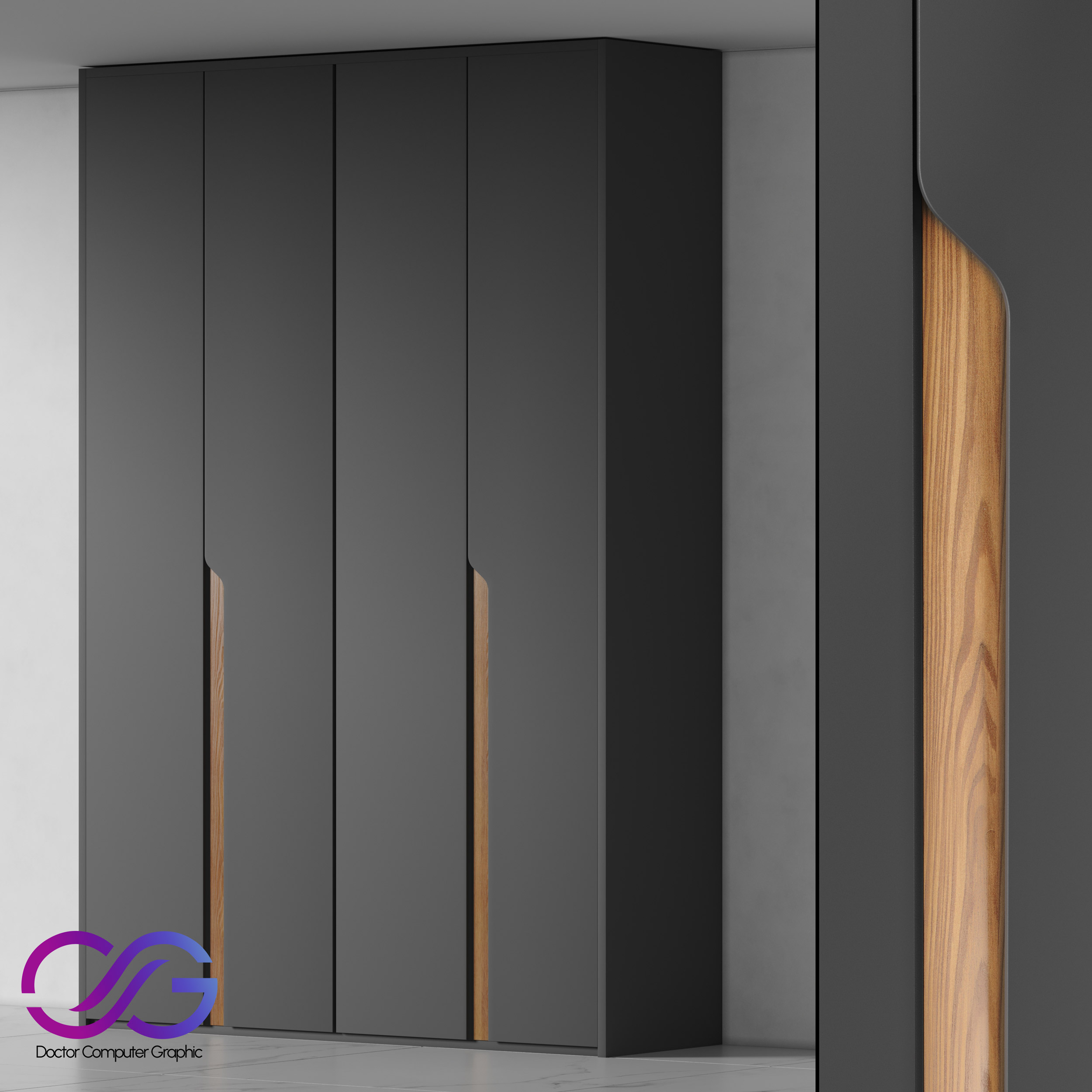
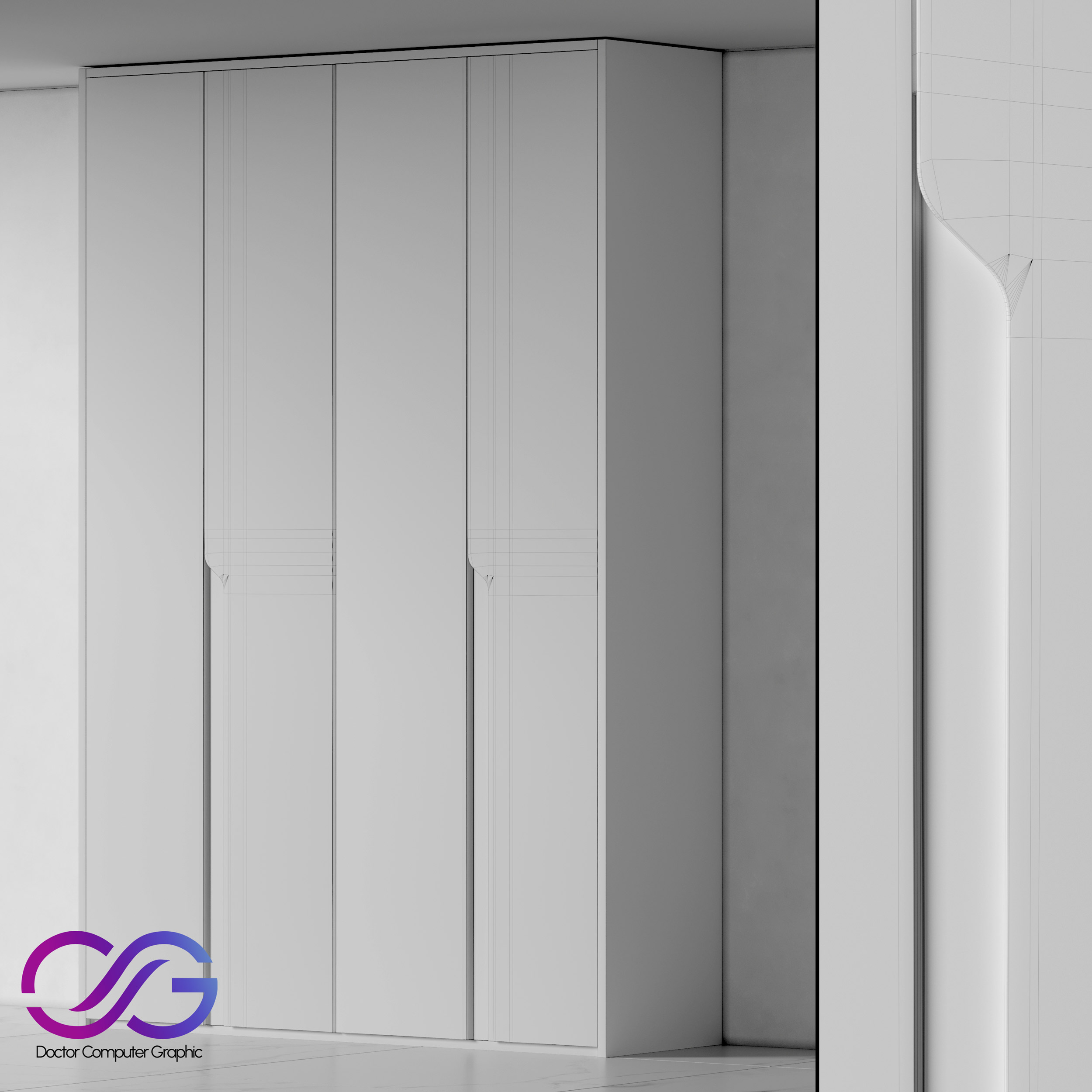
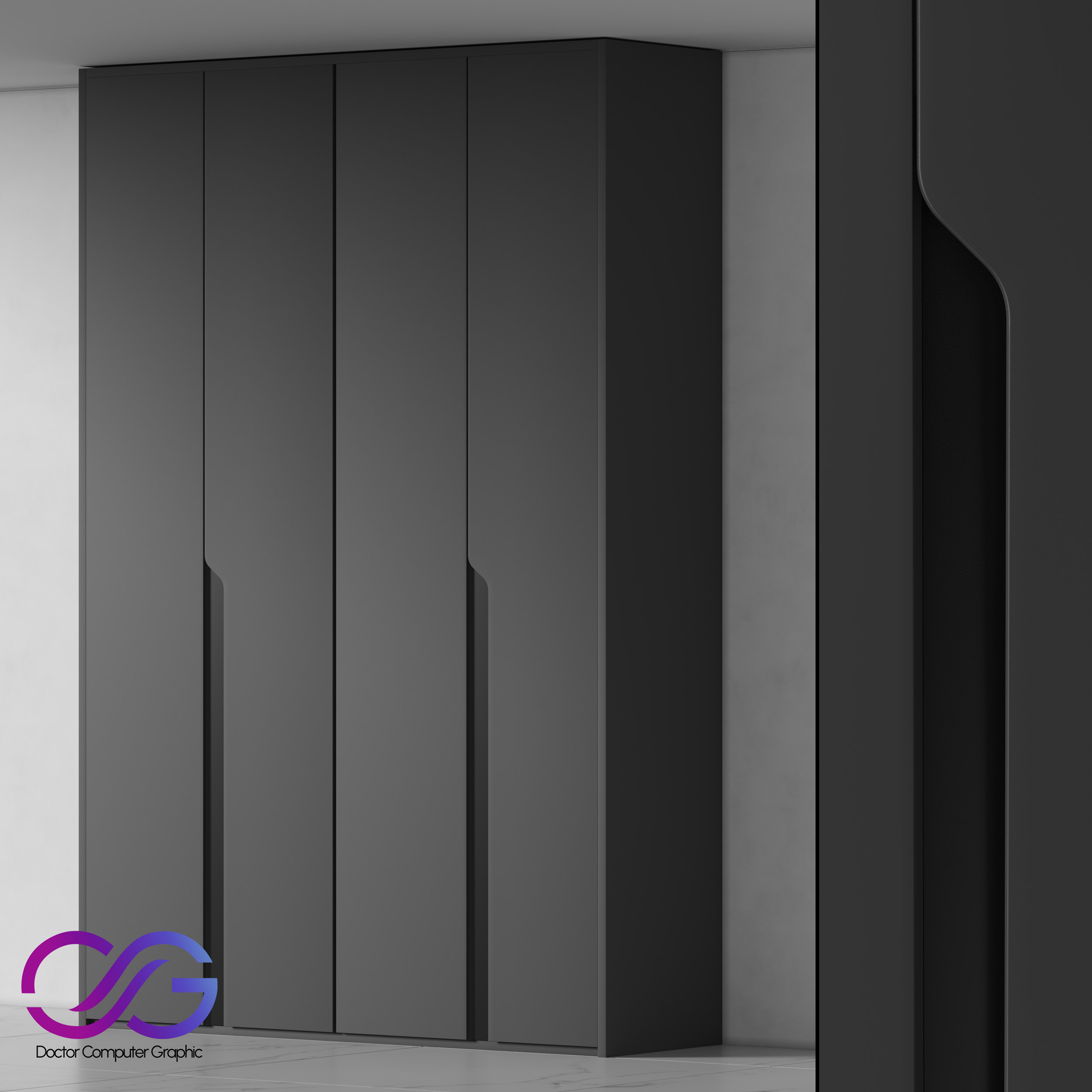
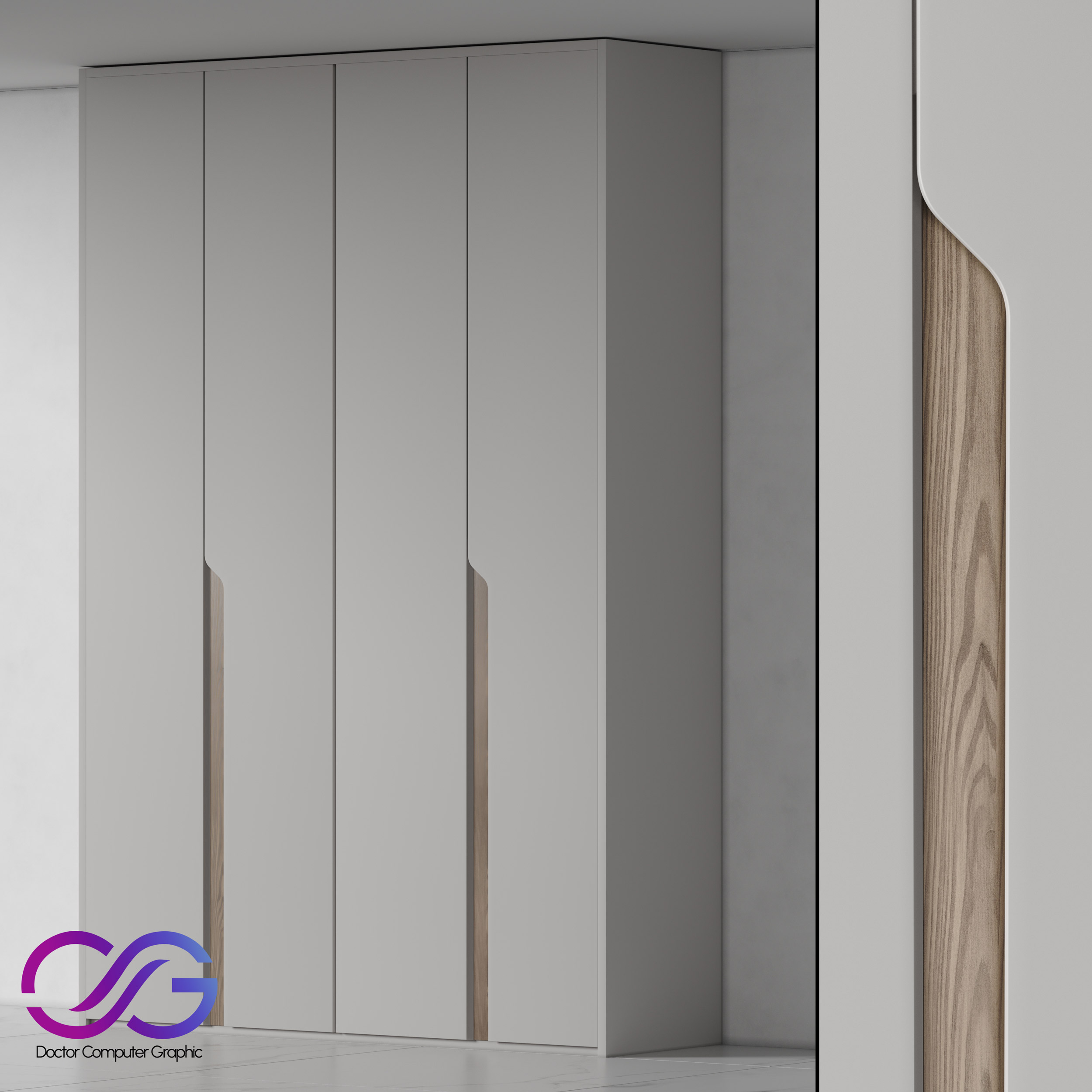
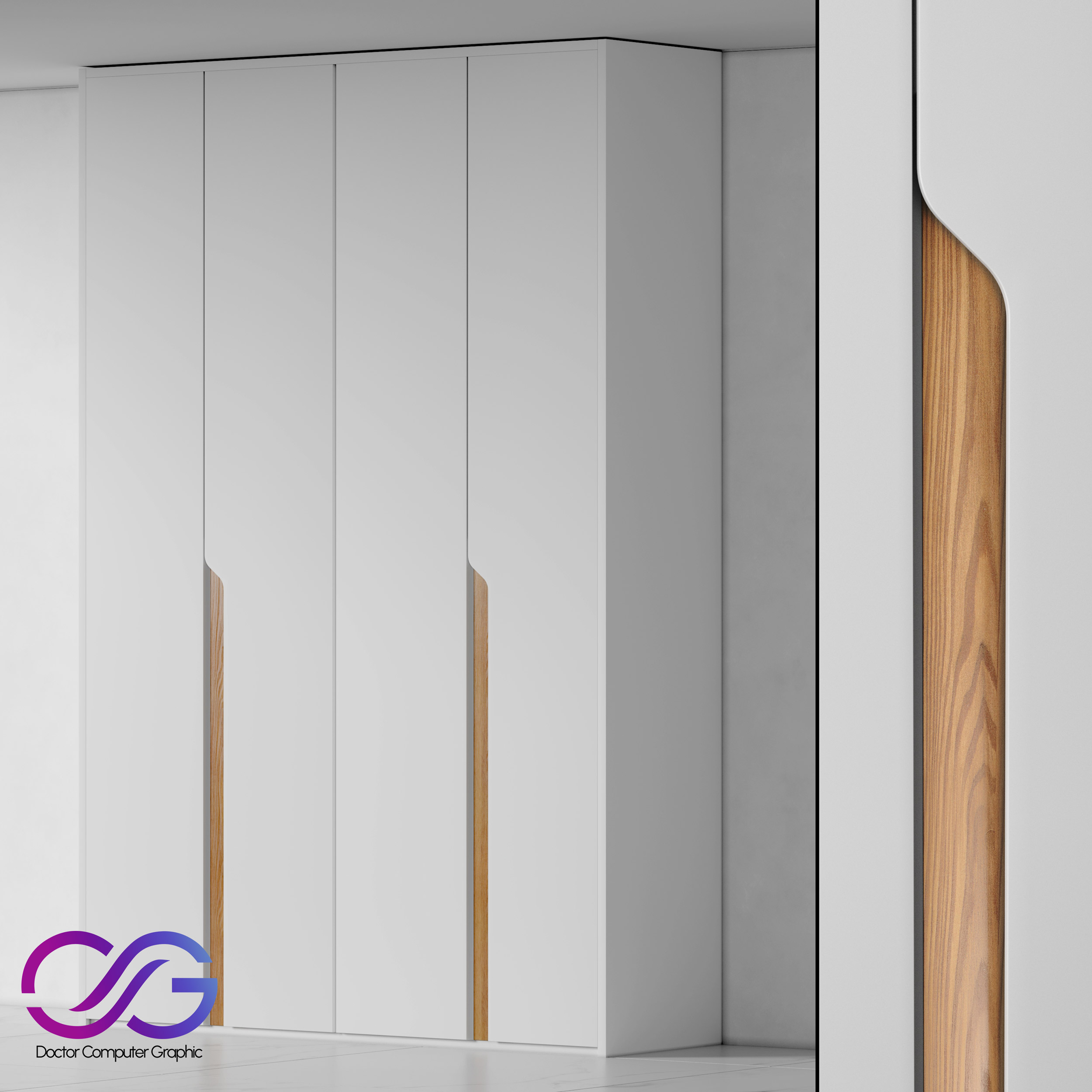
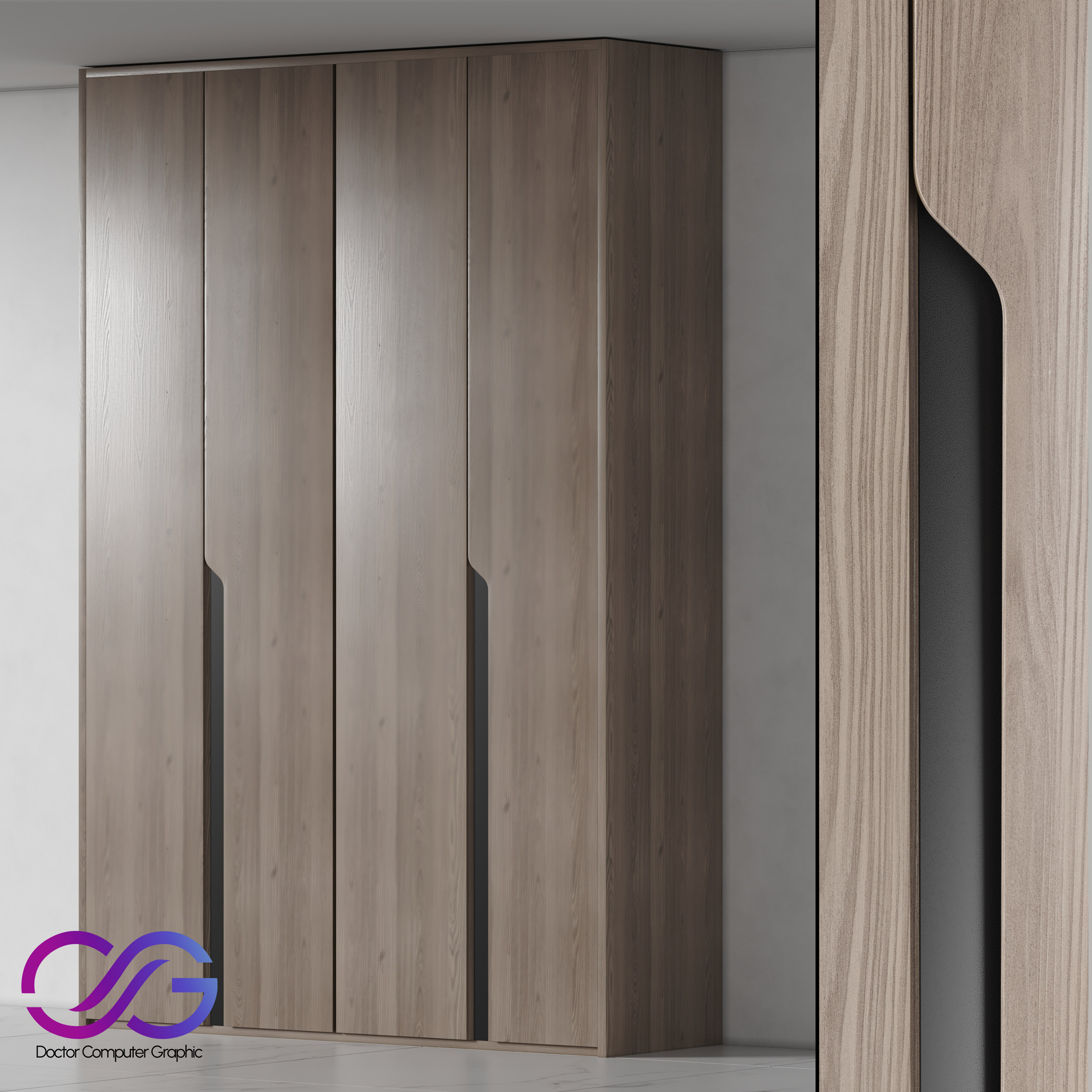
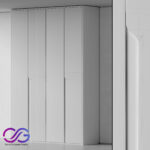
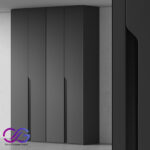
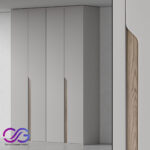
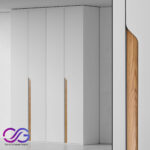
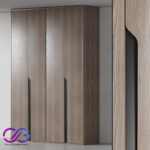
Wardrobe & Cabinet Furniture 3D Model
Original price was: $7.00.$5.99Current price is: $5.99.
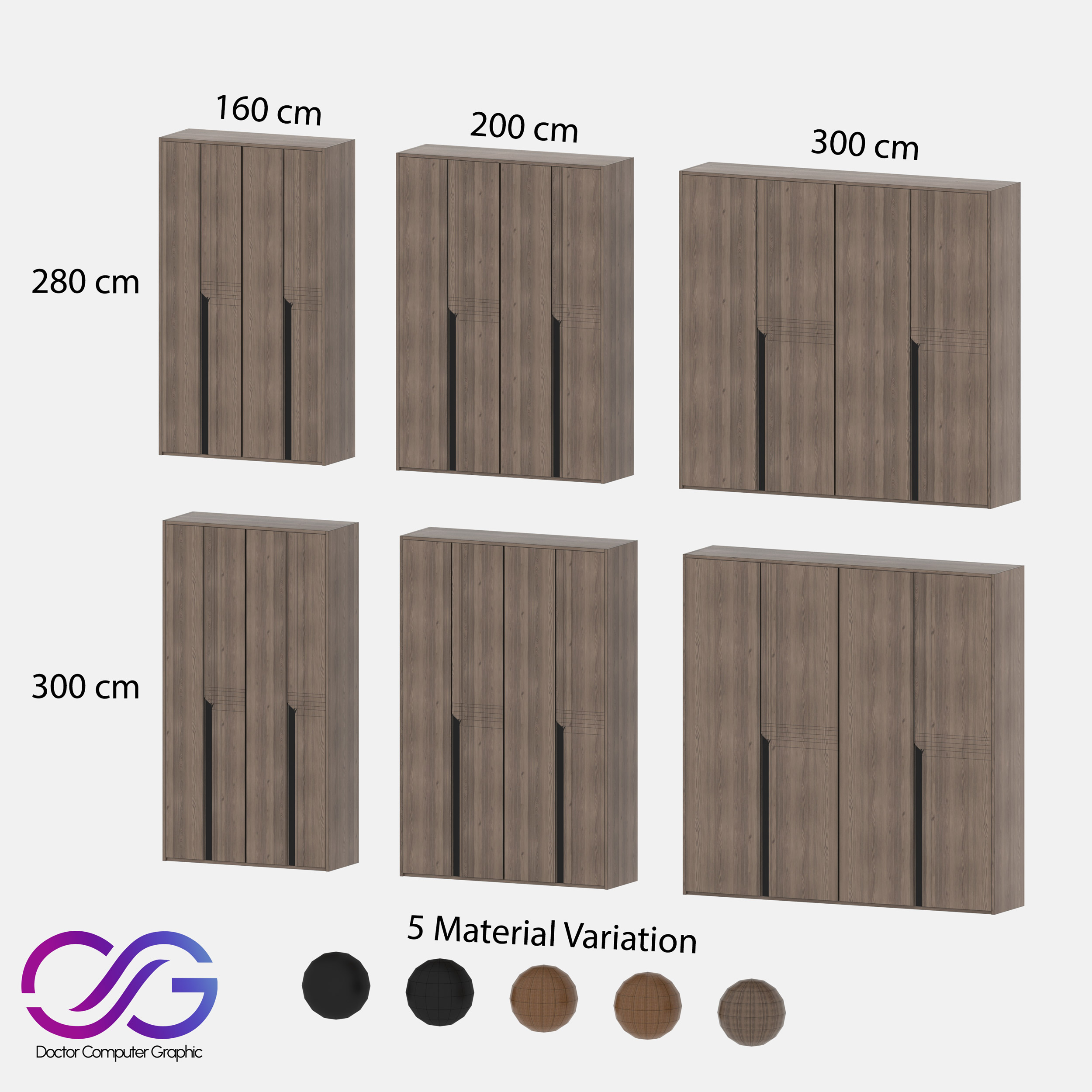
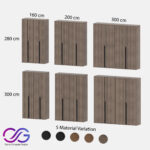
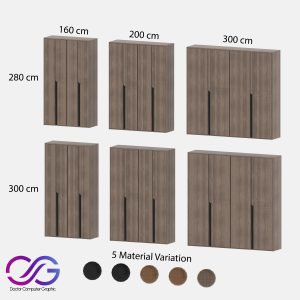
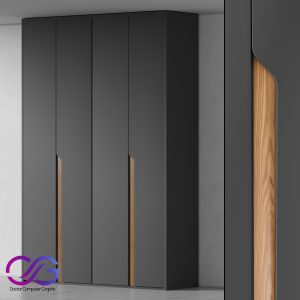
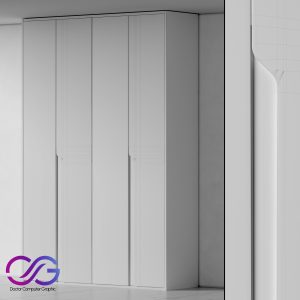
30 different Variations (6 Sizes x 5 Materials)
Sizes:
- height | width
- 300 cm | 300 cm
- 300 cm | 200 cm
- 300 cm | 160 cm
- 200 cm | 300 cm
- 200 cm | 200 cm
- 200 cm | 160 cm
- depth: 50cm
* Quad
* PBR and 8K Textures
* V-Ray and Corona Ready
* 100% scale and correct normal
* All materials and objects have corresponding names in Latin letters.
* No ALC and CRP viruses
* No missing textures
* No unnecessary maps in the environment/background
| Software | 3DsMax |
|---|---|
| File Format | 3DS, OBJ |
| Render | Corona, V-Ray |
| color | Black, Brown, gray |
| Materials | wood |
| Style | Modern |
| Formfactor | Rectangular |
Wardrobe & Cabinet Furniture By DrCG 3D Model
cabinet, in furniture design, originally a small room for displaying precious objects and later a piece of furniture composed of a network of small drawers commonly enclosed by a pair of doors. Cabinets were first used in Italy during the late Renaissance. In many parts of Europe, cabinets became the most sumptuous pieces of furniture, with great displays of marquetry, carving, inlay, and gilding. Some cabinets were placed on stands, others on chests. Themselves objects of art, cabinets were popular for storing collections of china, coins, shells, and curiosities.
By the early 16th century, cabinets were in use in France and England. The French style was based on architectural lines, often executed in walnut and sometimes elaborately decorated with bas–reliefs, ivory, or mosaics.
The earliest English examples, small and mounted on stands, were plentiful among the wealthy by the 17th century.
After the Restoration (1660), cabinets were used as decorative objects, and their embellishments included walnut veneers, floral marquetry, needlework, and japanning (oriental–style lacquerwork).
A symmetrical arrangement of drawers surrounded a small, central cupboard, in which it was common to find a temple-like structure, with columns backed by mirrors that increased the apparent perspective.
Many Chinese and Japanese lacquer cabinets were imported into England during Charles II’s reign and were mounted on exuberantly carved stands that were gilded or silvered. In the 18th century and later, many cabinets were fitted with glass shelves to display china.
Related products
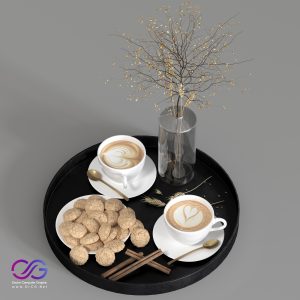
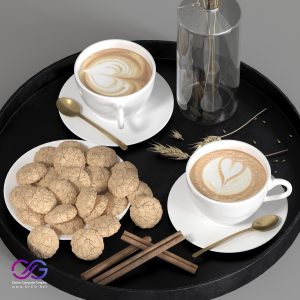
Coffee Decorative Set 3D model
Models included:
- cookie
- Coffee cup and sub-cup
- golden spoon
- Coffee Tray or Tea Board
- decorative wheat
- Cinnamon stick
- 100% scale and correct normal
All materials and objects have corresponding names in Latin letters.
No ALC and CRP viruses
No missing textures
No unnecessary maps in the environment/background
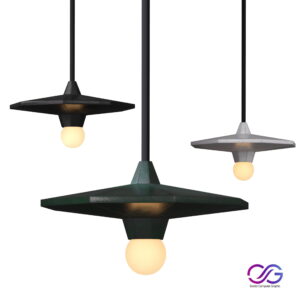
CUBUS pendant lamp By Makhno 3D Model
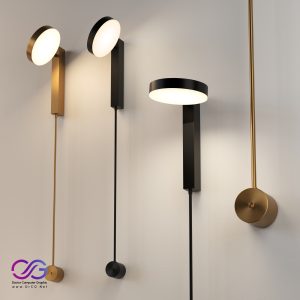
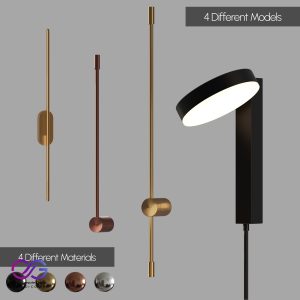
DENZIL LUX Wall Lamps 3D Model
LED-wall lamp with a disc-shaped swivel shade on a bracket with a round and rectangular mount
Material Brass H65, Acrylic
Case color Brass
Dimensions (Width × Height) 20×78 cm
Source type LED matrix
Colorful temperature tricolor light
Dimensions:
KEMMA WALL LITE
- Ø 6 × 80 cm
DENZIL LUX
- Ø 20 × 78 cm
VANTAGGIO
- Ø 14 × 72 cm
Version: Vray and Corona And More
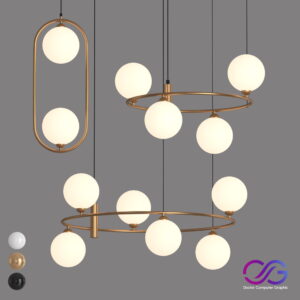
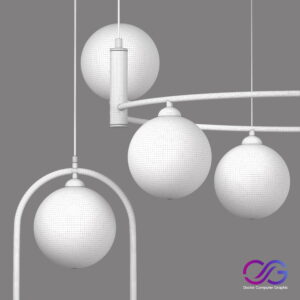
Hanging Lamp Ring By Maytoni 3D Model
* V-Ray and Corona Ready
* 3 different types
* 3 different Colors
* 100% scale and correct normal
* All materials and objects have corresponding names in Latin letters.
* No ALC and CRP viruses
* No missing textures
* No unnecessary maps in the environment/background
Metal frame, Frosted glass diffusers.
- Series: Ring
- Collection: Modern
- Style: Maytoni Modern
- Lamp type: Pendant Lamp
- Lampshade Colour: White
- Base material: Metal
- Shade Material: Glass
- Place type: Ballroom
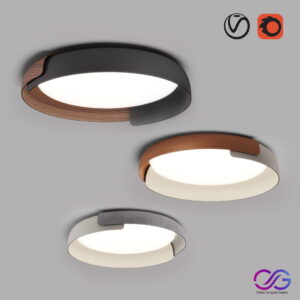
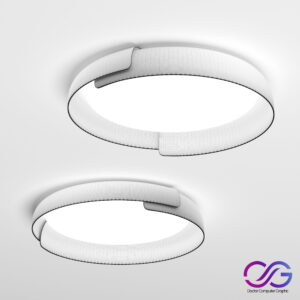
KUNDALINI DALA Ceiling Pendant Lights 3D Model
* V-Ray and Corona Ready
* 6 different variations
* 100% scale and correct normal
* All materials and objects have corresponding names in Latin letters.
* No ALC and CRP viruses
* No missing textures
* No unnecessary maps in environment / background
Finishing
- Dark gray + wood finish
- Dark gray + concrete finish
- Dark gray + copper
- Sand + wood finish
- Sand + concrete finish
- Sand + copper
Feeding
- 220-240/120V
Dimensions
- ø 58 x H 11 cm
Dimmer
- Yes
bulbs
board LED 1x42W
2700 K - 4630 lm - CRI>90
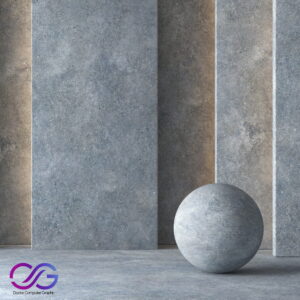
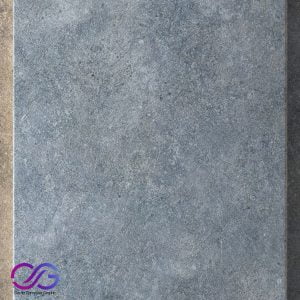
Plaster Earthy Tones texture (Seamless-Tileable) No 111
- Ready to use PBR texture for V-Ray and Corona Render
- 8192 x 8192 Pixel High-resolution textures.
In the archive:
- max 2015 (Corona)
- max 2015 (V-Ray)
- OBJ
Maps Include:
----- Diffuse
-----Displacement
----- Specular
----- Occlusion
-----Normal
* All textures and materials are given individual names
* All elements has 100% scale and correct normals
* All materials and objects have corresponding names in Latin letters.
* No ALC and CRP viruses
* No missing textures
* No unnecessary maps in environment / background
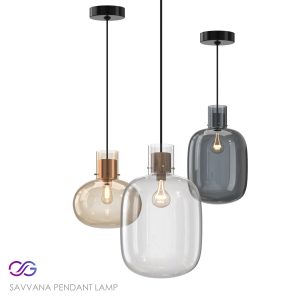
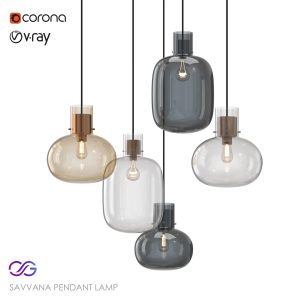
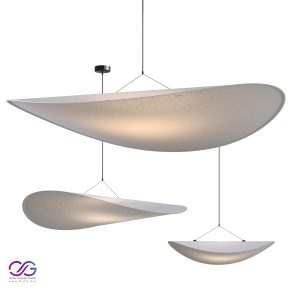
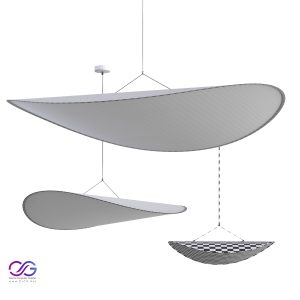
Savana Pendant Light interior 3D model
 Decoration
 Lighting
 Materials and Textures
 Plugins and Scripts
Reviews
There are no reviews yet.